Light-based treatment for vitiligo, psoriasis and more.
NB-UVB phototherapy and targeted excimer light for chronic skin conditions, plus laser tattoo removal with the Fotona StarWalker MAQX.
When creams and tablets are not enough
For chronic skin conditions like vitiligo and psoriasis, where topical creams and oral medications may not be enough, NB-UVB phototherapy offers a safe, proven and non-invasive treatment option.
Light therapy is usually one part of a wider plan. Read how it fits into vitiligo and psoriasis treatment.
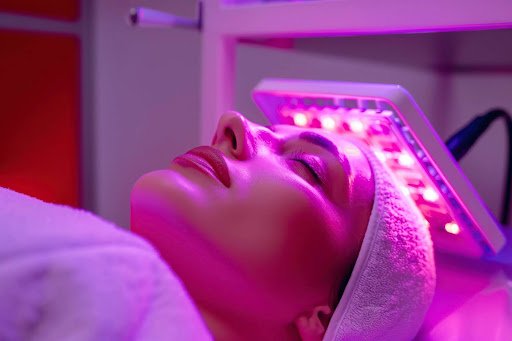
Full-body phototherapy (NB-UVB): Daavlin chamber
The Daavlin phototherapy chamber is fitted with 24 narrowband UVB bulbs. A controlled dose of UVB light slows abnormal skin cell activity, reduces inflammation and encourages pigment cells to return in vitiligo.
Each session lasts just a few minutes, treatments are done 2–3 times a week, and the treatment is painless and safe, even during pregnancy.
Excimer light therapy (targeted)
A focused 308 nm light for smaller or hard-to-reach areas. It delivers a highly concentrated dose directly to affected skin and leaves healthy skin untouched.
This allows faster results with fewer sessions, especially for resistant or small patches.
Laser tattoo removal
Unwanted tattoos can be safely removed with the Fotona StarWalker MAQX laser system. Multiple sessions are needed, spaced 6–8 weeks apart. The treatment is non-invasive, with no cuts or stitches, and is safe for all skin types.
How it works
The StarWalker MAQX delivers ultra-short laser pulses in both Q-switched and pico modes. These pulses shatter tattoo ink into microscopic particles that your immune system then naturally flushes away over the following weeks. The laser targets the pigment selectively, leaving the surrounding skin intact.
Each session progressively lightens the tattoo. Because the body needs time to clear the fragmented ink, sessions are spaced 6–8 weeks apart. The number of sessions depends on the tattoo's size, ink colour, depth and age, and on your skin type.
Which ink colours can be treated?
Black and dark blue inks respond fastest because they absorb the broadest range of laser wavelengths. Red, orange and green inks need specific wavelengths and may take additional sessions.
The StarWalker MAQX has multiple wavelengths (1064 nm, 532 nm, 585 nm and 650 nm), so virtually all common ink colours can be targeted, including the stubborn greens and reds that older lasers struggle with.
Tattoo removal may suit you if:
- You have a tattoo you regret or no longer identify with
- Your tattoo has faded unevenly and looks patchy
- You need to clear a tattoo before a cover-up design
- A tattoo is affecting your professional or personal confidence
- You have permanent makeup (eyebrow, lip liner) that you'd like removed or corrected
Fading for cover-up tattoos
Not everyone wants complete removal. If you're planning a cover-up with a new design, Dr. Praneeta can partially fade the existing tattoo over 2–4 sessions. This gives your tattoo artist a much better canvas, allowing more creative freedom and cleaner results in the new design.
Before, during and after a session
Before treatment
Dr. Praneeta assesses your tattoo and gives you an honest estimate of how many sessions are likely needed. A typical range is 4–10, depending on complexity. Professional tattoos with deeper, denser ink usually need more sessions than amateur ones.
During the session
You'll feel a snapping sensation, similar to a rubber band. A topical numbing cream is applied beforehand to keep you comfortable. Each session typically takes 10–30 minutes, depending on the size of the tattoo.
After treatment
The area may look white or frosted for a few minutes, followed by mild redness and swelling that settles within a few days. You can return to normal activities immediately. You'll receive aftercare instructions, including sun protection and gentle wound care.
Frequently asked
How many sessions will I need?
Most tattoos need 4–10 sessions. Small, amateur tattoos with black ink may clear in as few as 3–4 sessions. Large, multi-coloured professional tattoos may need 8–10 or more. Dr. Praneeta will give you a realistic estimate during your consultation.
Does it hurt?
There is some discomfort, often described as a rubber band snapping against the skin. A topical numbing cream is applied before each session to minimise pain. Most patients find it very manageable.
Will there be scarring?
When performed correctly with the right laser settings, the risk of scarring is very low. The StarWalker MAQX's ultra-short pulse technology is designed to shatter ink without causing thermal damage to surrounding tissue, and settings are adjusted carefully for your skin type to ensure the safest possible outcome.
Is it safe for Indian skin tones?
Yes. The Fotona StarWalker MAQX is safe for all skin types, including darker Indian skin tones. The 1064 nm wavelength in particular is the standard choice for treating darker skin safely, because it is far less absorbed by the melanin in the skin's surface and acts mainly on the tattoo ink beneath.
Can you remove permanent makeup?
Yes. Permanent makeup (eyebrow tattoos, lip liner, eyeliner) can be lightened or removed. However, some permanent makeup pigments contain iron oxide, which can darken temporarily when hit with laser energy. Dr. Praneeta will do a small test spot first to check how the pigment responds before proceeding with full treatment.
How much does it cost?
The cost per session depends on the size and complexity of the tattoo. Dr. Praneeta will give you a clear estimate during your consultation. Many patients find that spreading the cost over several sessions makes it very manageable.
Ask whether light therapy or laser suits you.
A consultation with Dr. Praneeta Jain looks at your condition or tattoo and gives you an honest estimate of the sessions involved.