The goal is looking well, not looking treated.
Trained through the Supreme Master Injectors course at DIAS, my approach to injectables is deliberately conservative. Less product, placed more precisely, reviewed before more is added.
Why restraint produces better results
Everybody can recognise an overtreated face, and nobody asks for one. It happens gradually: a little more filler each visit, each time to correct the imbalance the last one created, until the proportions have shifted and the face reads as treated rather than rested.
Avoiding that is mostly a matter of discipline. Treating the cause rather than the appearance, using the smallest effective dose, waiting to see the settled result before adding anything, and being willing to say that a particular concern does not need injecting at all.
It also means recognising what is actually happening. A tired-looking face may be losing volume in the midface, or it may have thinning, dehydrated skin with good underlying structure. The first needs support, the second needs skin quality treatment, and giving the second patient filler will make them look heavier without looking fresher.
Ageing happens across several layers at once: skin texture and pigment, collagen and elastin, fat compartments, and bone. A plan that only addresses one layer produces the odd results people are wary of. Small, well-judged interventions across the right layers look like nothing was done at all.
What can realistically be improved
Different layers need different approaches, and honest assessment decides which applies.
Dynamic lines
Lines visible on movement, on the forehead, between the brows and around the eyes. Respond well to small, well-placed doses of botulinum toxin that soften without freezing expression.
Volume loss
Flattening of the midface and temples, and shadowing under the eyes, as fat compartments diminish. Needs structural support in the correct plane rather than surface filling.
Skin laxity
Loosening along the jawline, jowls and neck. Radiofrequency tightening helps mild to moderate laxity; significant laxity has surgical answers and I will say so.
Skin quality
Dullness, fine crepiness, enlarged pores and dehydration. Frequently the real reason a face looks tired, and improved by boosters and resurfacing rather than volume.
Lip and perioral ageing
Thinning lips, loss of border definition and fine vertical lines. Treated for definition and hydration rather than size, in proportion to the rest of the face.
Periorbital changes
Fine lines, hollowing and thin skin around the eyes, an area where over-treatment shows first. Approached cautiously with conservative technique.
Used precisely, and only where indicated
Every plan starts small and is reviewed once settled, rather than delivered all at once.
Botulinum toxin
Small, targeted doses to soften dynamic lines while preserving natural movement. Placement and dosing matter more than volume; expression should remain your own.
Dermal fillers
Hyaluronic acid placed in the correct anatomical plane to restore support where volume has been lost, at conservative volumes and reviewed before adding more.
Skin boosters
Injectable hyaluronic acid distributed through the dermis to improve hydration, fine texture and light reflection, without adding volume or altering shape.
Polynucleotides and PDRN
Regenerative injectables that improve dermal quality and skin thickness over a course, particularly useful for thin periorbital skin.
EndyMed 3DEEP RF
Radiofrequency energy delivered into the dermis to stimulate collagen and firm mild to moderate laxity, safe around the eyes and with essentially no downtime.
Resurfacing and peels
Fractional resurfacing and medical peels to address surface quality, pigment and fine lines, sequenced alongside the injectable work rather than on the same day.
Frequently asked
Will I look like I have had something done?
Not if it is done properly. The aim of conservative injecting is that people notice you look well rather than noticing treatment. Overfilled faces are the result of too much product, too often, in the wrong planes, not an inevitable outcome of injectables.
How long do botulinum toxin and fillers last?
Botulinum toxin generally lasts three to four months, sometimes longer with regular use. Hyaluronic acid fillers last nine to eighteen months depending on the product and the area treated. Both are gradual in onset and gradual in wearing off.
What age should I start?
There is no correct age. It depends on what bothers you and what is actually happening in your face. Lines that are only visible on movement respond to small doses early; established static lines and volume loss need a different approach. Starting young for no reason is not preventative, it is just unnecessary.
Are fillers safe?
In trained hands and with appropriate product selection, yes. The risks that matter are vascular, so anatomical knowledge and injection technique are what keep it safe, not the brand of filler. This is why formal injectables training and reversal preparedness matter.
Can I have treatment before a wedding or event?
Yes, with planning. Botulinum toxin needs two to three weeks to settle fully and fillers need two to four weeks for swelling to resolve, so treatment should be timed well before the date, never in the final week.
Start with an assessment, not a treatment list.
A consultation establishes what is actually driving the change you have noticed, and what the smallest effective intervention would be.
Results, documented honestly
Actual patients treated at Linaé. Drag each handle to compare before and after. No filters, no flattering lighting.
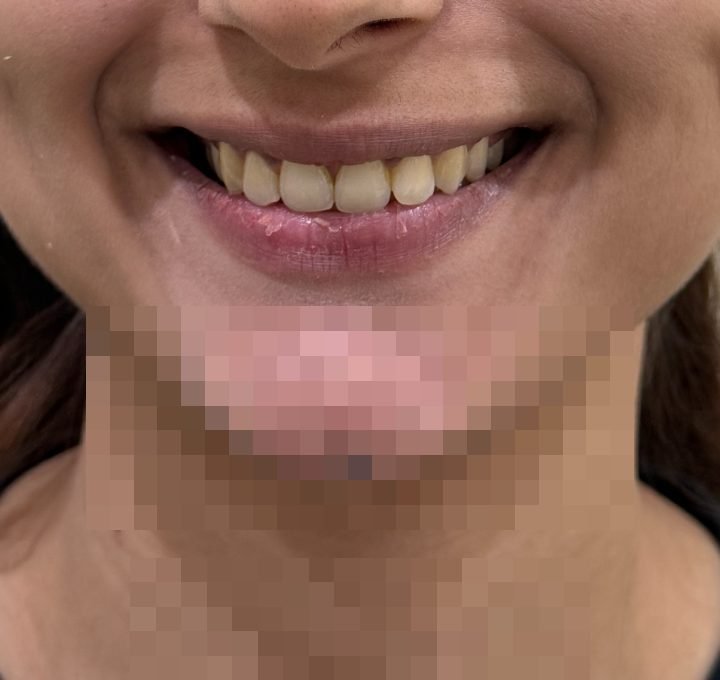
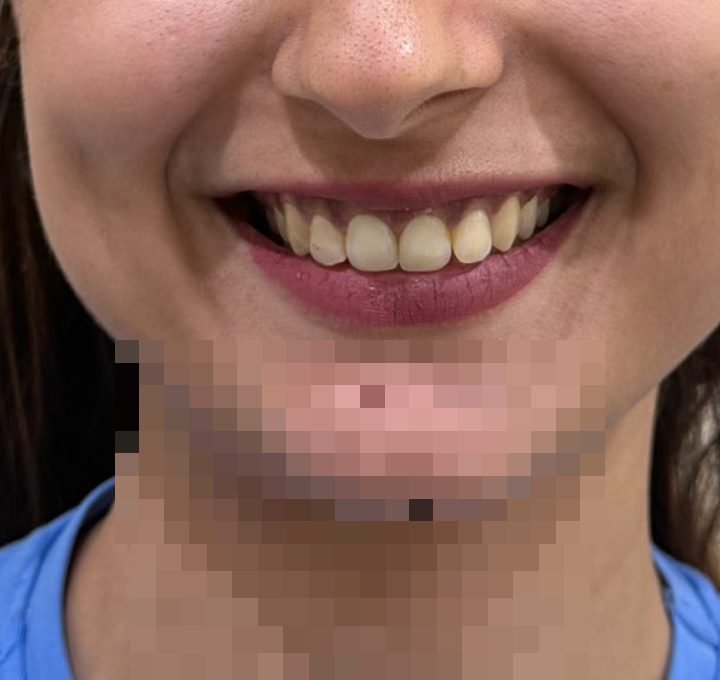
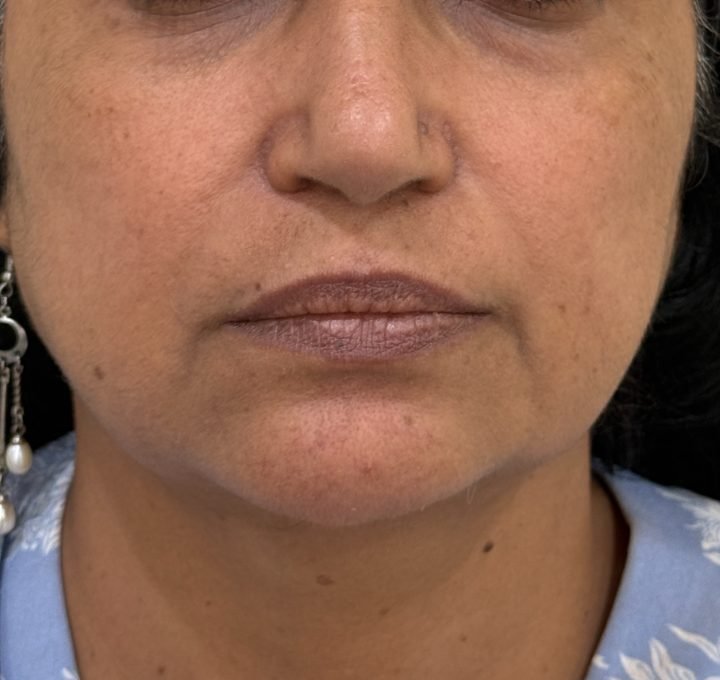
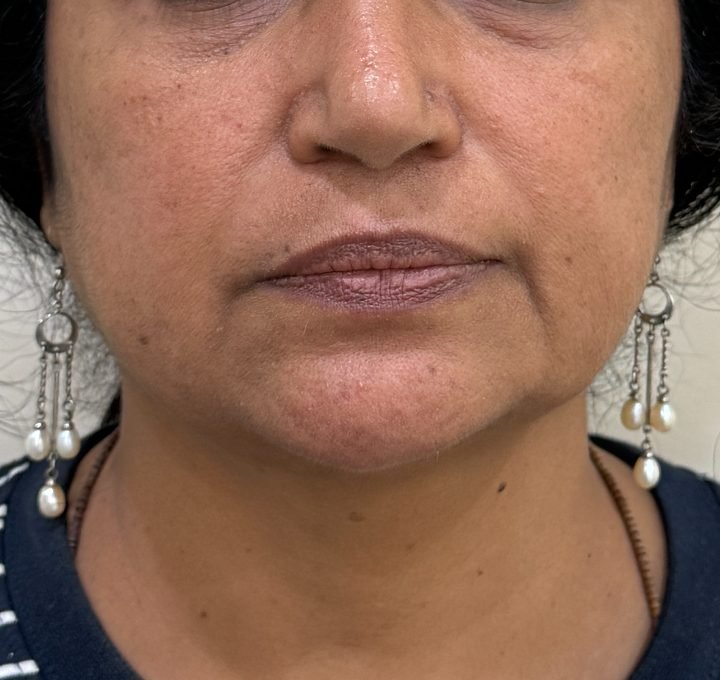
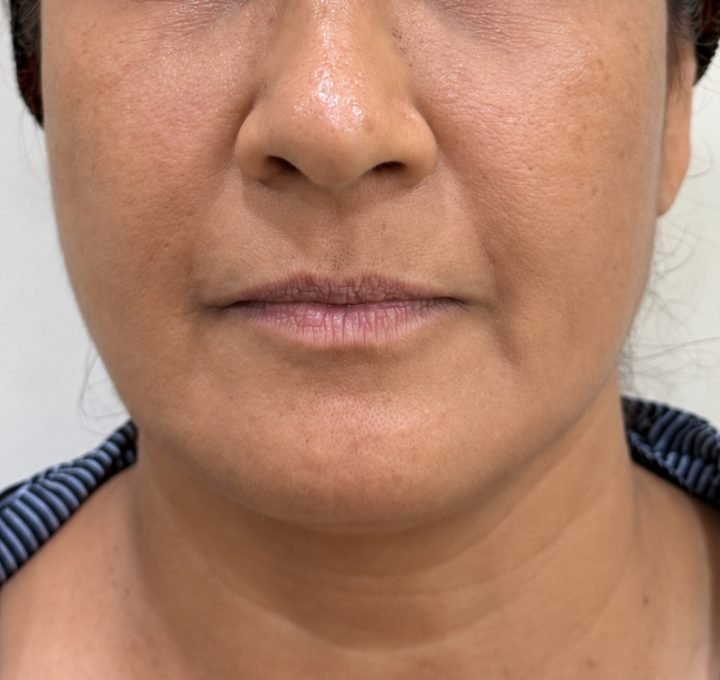
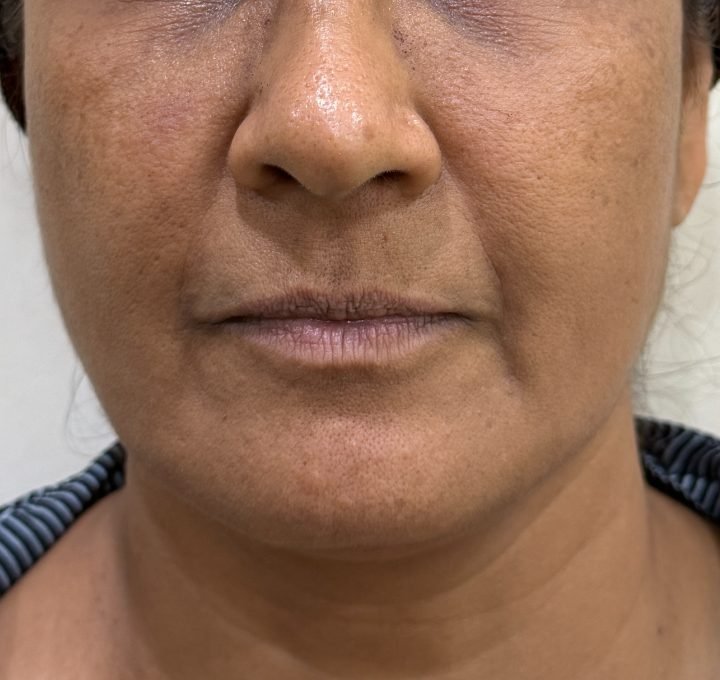
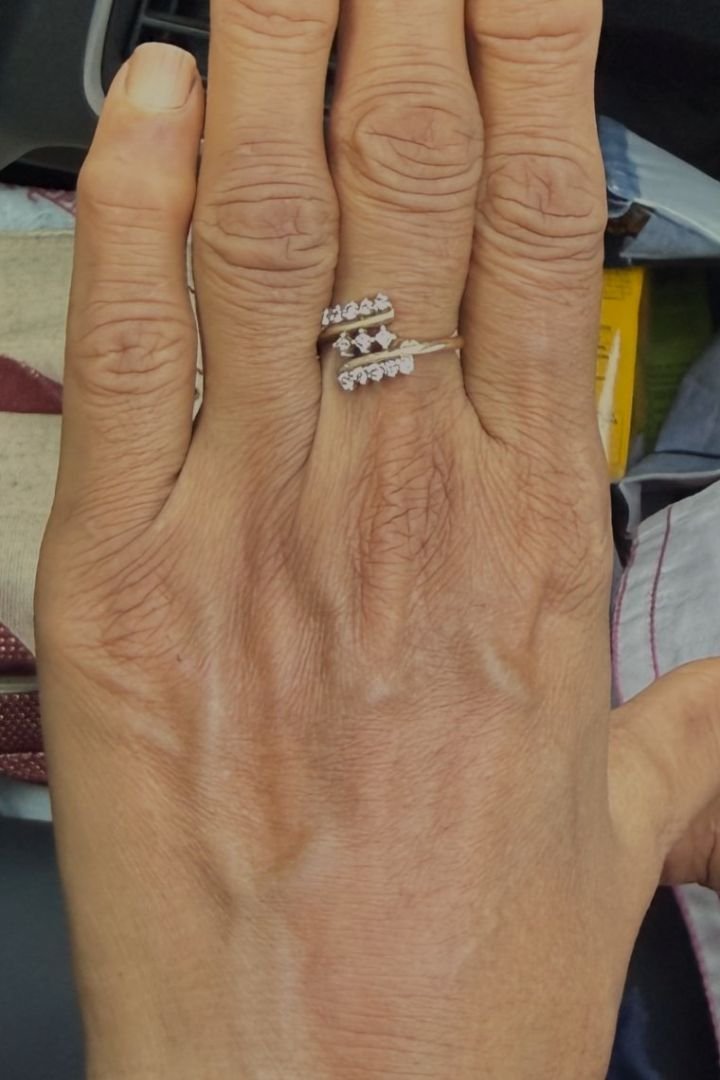
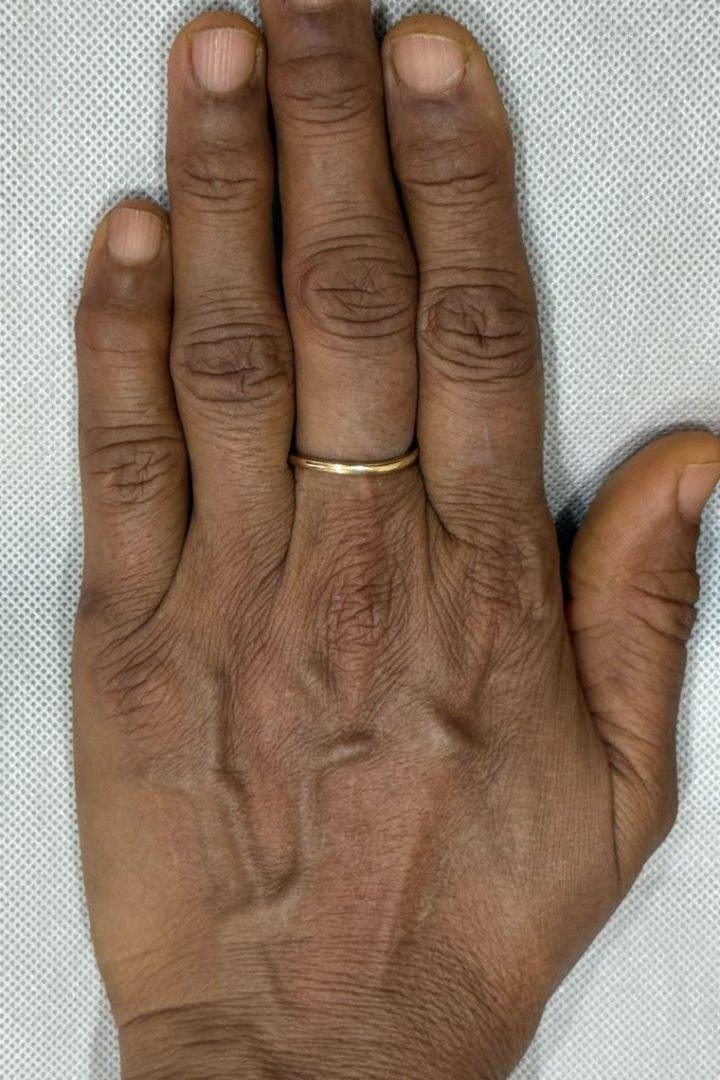
4 patient results
Drag the round handle to compare. Swipe the photo or use Previous and Next to browse.
Keyboard: focus a handle and use the arrow keys; Home shows after and End shows before.