Precision procedures for skin health and aesthetics.
From minor skin growths to advanced pigment cell grafting, performed under local anaesthesia in a sterile setting.
Safety, precision and comfort
Every dermatosurgical procedure at the clinic is performed with a focus on safety, precision and comfort.
From minor skin growths to advanced pigment cell grafting, treatments are handled with meticulous attention to detail, combining clinical skill with aesthetic sensibility. All procedures are done in a sterile setting using the latest tools.
What can be treated
Each procedure is chosen for the lesion, its location and how your skin heals.
Skin biopsy
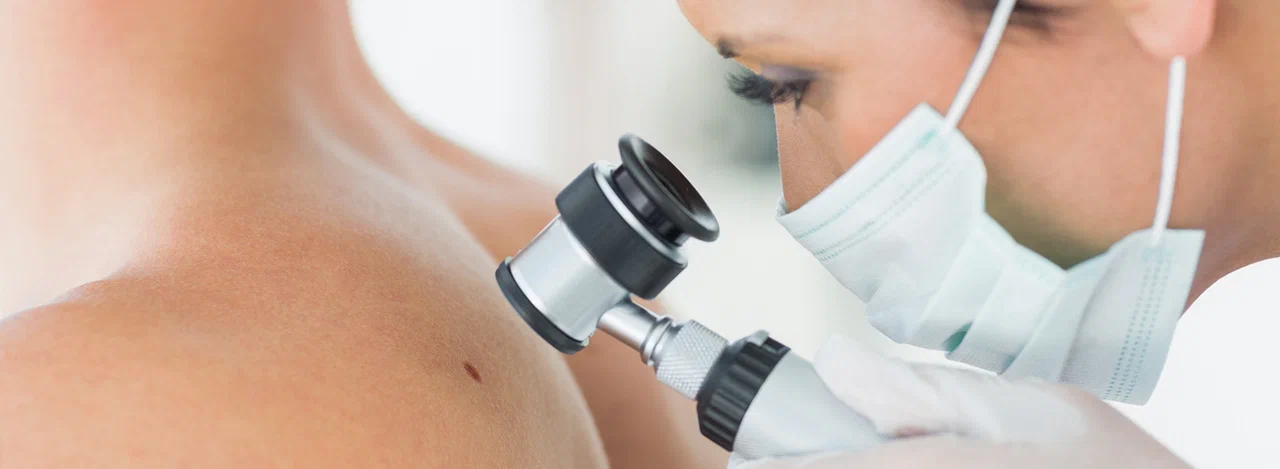
A quick, minor procedure to diagnose skin conditions such as infections, inflammatory diseases and suspicious growths, including atypical moles or early skin cancers, with high accuracy. Performed under local anaesthesia with minimal discomfort and fast healing.
Removal of warts, skin tags, DPNs and corns
Benign growths like skin tags, warts, dermatosis papulosa nigra (DPN) and lipomas are common and easily treatable. Removal is quick and minimally invasive, using radiofrequency ablation, cryotherapy, chemical cautery or CO₂ laser, tailored to your skin type. Most procedures are painless and leave little to no scarring.
Scar revision
Scars from acne, chickenpox, injury or surgery can affect both appearance and confidence. A tailored revision plan using microsurgical excision, laser treatments and collagen remodelling techniques is chosen according to scar type, location and your skin's healing potential. Acne scar treatment
Removal of cysts, moles and lipomas
Non-cancerous growths like sebaceous cysts, moles and lipomas may need removal for medical or cosmetic reasons. Excision is complete and clean, under local anaesthesia, with techniques that minimise scarring.
Vitiligo surgery
For stable vitiligo that hasn't responded to medical treatment, Dr. Praneeta offers pigment cell transplant options: mini punch grafting (especially for lips), suction blister grafting and non-cultured melanocyte suspension, where 1 cm² of normal skin can repigment up to 10 cm² of affected skin. Hair transplant into vitiligo patches can also reintroduce melanocytes to enhance repigmentation. What is vitiligo surgery?
Nail surgery for ingrown toenails
Painful, swollen or infected ingrown nails can be relieved with minor surgery under local anaesthesia. The offending edge is gently removed, followed by chemical cauterisation to prevent recurrence. Recovery is quick and virtually painless.
Laser treatment for nail fungus
Persistent nail fungus (onychomycosis) that hasn't responded to creams or oral medicines can be treated with the Fotona StarWalker laser. It penetrates deep into the nail plate to target the infection at its root, safely, painlessly and without damaging surrounding skin. 6–8 sessions are typically needed.
Non-healing leg ulcers
Chronic leg ulcers caused by diabetes, poor circulation or prolonged pressure are treated with a combination of wound care and autologous platelet-rich fibrin (PRF) therapy, which delivers concentrated growth factors from your own blood to accelerate healing.
Keloids and hypertrophic scars
Thick, raised scars are treated with a combination of intralesional steroid injections, radiofrequency, lasers and customised triple therapies to flatten and soften them over 4–6 sessions.
Local anaesthesia, a sterile room, and little or no downtime
All dermatosurgical procedures are performed under local anaesthesia in a sterile environment. Most are outpatient procedures with minimal to no downtime. Dr. Praneeta will explain each step, answer your questions and make sure you're comfortable throughout.
Have the growth or scar examined first.
A consultation with Dr. Praneeta Jain establishes what the lesion is and which procedure suits it, before anything is removed.